When people talk about mythology, they often reduce it to old stories about gods and goddesses, meant only to explain thunder, fertility, or the cycles of life. But beneath the surface, myths carry truths that most of the public has never been told—truths that challenge how we see the divine, ourselves, and even the structure of society.
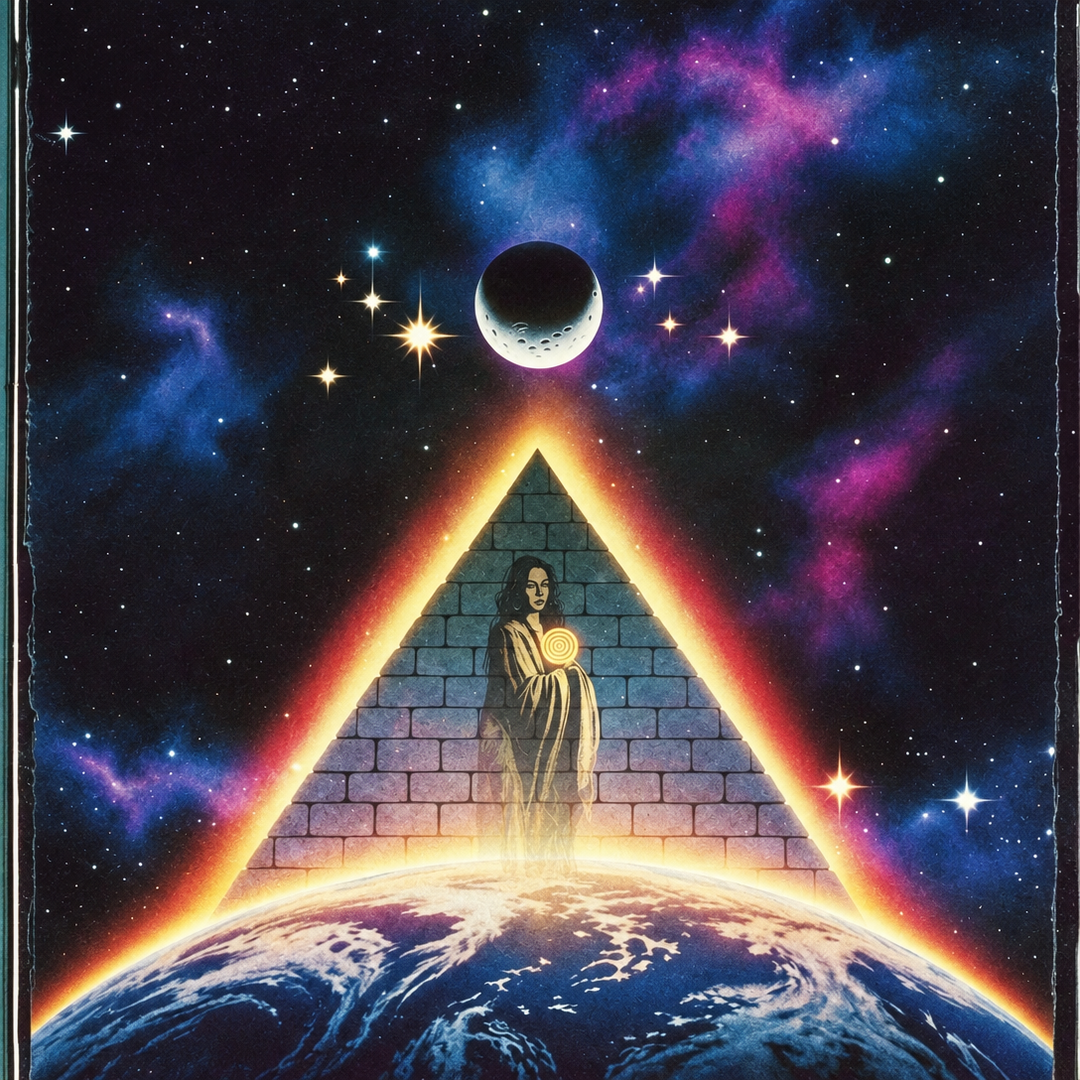
One of the most overlooked examples is the figure of Sophia, the embodiment of divine wisdom in Gnostic and early Christian traditions. Sophia disrupts the one-sided image of God as exclusively masculine. Imagine history if both masculine and feminine aspects of divinity had been equally honored. What if wisdom, compassion, and intuition had been treated as divine qualities, alongside authority, conquest, and order? Our social structures, our politics, even our families might look very different today.
What many people don’t know is that Sophia’s role was not simply symbolic. In some traditions, she was seen as the very one who initiated creation itself, stepping down into matter and chaos. This descent was often labeled as a “fall,” but hidden within the language of blame is a deeper truth: Sophia’s act was one of courage. She entered the brokenness of the world to bring light back into it. That story is not just about creation; it is about redemption, rebellion, and the risks wisdom takes to transform reality.
Her partner in this cosmic dance is Source—the originating spark, the seed of divine order. Source represents structure, initiation, and power. Together, Sophia and Source embody the archetype of Mother and Father—not as separate opposites, but as partners in balance. Yet history silenced this union, elevating the Father image while suppressing the Mother. That suppression is not just theological—it set the stage for centuries of patriarchal systems where feminine power was dismissed, redefined, or erased.
There are other hidden truths embedded in these myths. The archetype of the divine parents is not just about comfort; it also reveals the weight of responsibility. The Mother is not only nurturing; she demands growth. The Father is not only protective; he imposes burdens of law and sacrifice. These myths show us that to be human is to carry responsibility as much as it is to receive guidance.
Even more rarely discussed is the paradox woven into these stories. Wisdom is portrayed as both exalted and flawed. Sophia is revered as the voice of insight but also blamed for error. This contradiction holds a vital lesson: wisdom does not come without risk. True insight is forged in imperfection, in mistakes, in daring to act even when certainty is impossible. That is a truth that ancient storytellers encoded, but which later traditions tried to smooth over.
What these myths ultimately show us is that the divine has always been more than hierarchy and conquest. There is a story of balance waiting to be remembered—a story where the feminine and the masculine are seen as equal powers, where wisdom and authority are partners, and where creation itself emerges not from domination but from collaboration.
Sophia and Source remind us that myths are not dead tales of the past. They are mirrors of our own unfinished story. If we can recover the balance they represent, perhaps we can begin to restore it in our lives, our cultures, and our future.
Love Your Silvia 🫶❤️